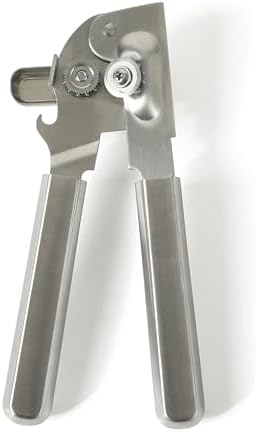
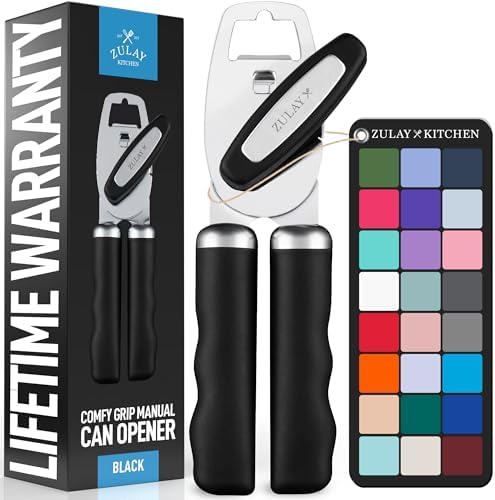
- The stainless steel blades are made to last, tested with rigorous quality controls; You can be certain you are getting a…
- Soft, slip-resistant handles give you control without the strain
- The top doubles as a powerful bottle opener—quick and reliable
$9.99
Let’s be honest: opening a stubborn can of tomatoes or soup shouldn’t require a workout. Whether you are a busy homemaker preparing a quick family dinner or a foodie stocking up on gourmet preserves, the right tool makes all the difference. A dull, slipping, or rusting tool isn’t just annoying—it’s a safety hazard.
In 2025, the market is flooded with options, from high-tech electric models to rugged, travel friendly can opener designs for camping. But how do you cut through the noise? This guide breaks down exactly how to choose a can opener that balances safety, durability, and ease of use.
️ Step 1: Choose Your Power Source (Manual vs. Electric)
The first major decision is mechanical. Do you want to rely on elbow grease or electricity?
Manual Can Openers: The Reliable Workhorse
Manual openers are the standard for most kitchens. They are compact, affordable, and don’t require batteries.
- Best for: Small kitchens, drawers with limited space, and those who want a tool that never runs out of power.
- Pro Tip: Look for models with geared mechanisms. As noted in product reviews for brands like OXO and KitchenAid, a smooth-turning knob reduces hand fatigue significantly compared to older “winged” styles.
Electric Can Openers: The Accessibility Choice
If you have limited hand strength, arthritis, or simply love convenience, an electric model is a game-changer.
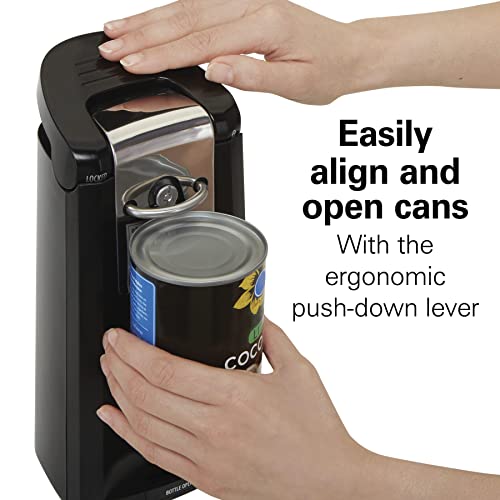
- Hands-Free Operation: Most modern electric openers, like the Amazon Basics or Hamilton Beach models, feature a “One Touch” lever. You place it on the can, press down, and it rotates automatically.
- Magnetic Lid Holders: A crucial feature. The magnet holds the sharp lid so it doesn’t drop into your stew.
- Trade-off: They take up counter or drawer space and require cleaning of the motor housing.
Expert Note: While electric openers are convenient, they can be louder (around 74 decibels) and may struggle with very small or non-standard can sizes compared to a manual adjustable can opener.
️ Step 2: Prioritize Safety Features (Sharp vs. Smooth Edges)
This is the most critical factor for families. Not all openers cut the same way.
- Traditional Cut (Top Cut): The blade cuts through the top of the lid.
- The Risk: This leaves a razor-sharp edge. You have to be careful not to slice your finger when removing the lid.
- Side-Cut (Smooth Edge) Technology:
- The Upgrade: These openers cut through the side of the can, just under the rim.
- The Benefit: The lid lifts off with a smooth, safe edge that won’t cut you. It also prevents metal shavings from falling into your food. If you are buying for a family with children, this is non-negotiable.
Step 3: Versatility and Multi-Functionality
Modern kitchens demand tools that multitask. When evaluating how to choose a can opener, consider what else it can do.
- The Built-in Beer Bottle Opener: Many manual models (like the OXO Good Grips or specialized stainless steel openers) feature a notch in the handle. This serves as a handy beer bottle opener, saving you from hunting for a lighter or a separate tool during a party.
- Jar Openers: Some heavy-duty models include a serrated grip to help twist open stubborn pickle jars or sauce bottles.
- Knife Sharpeners: Certain electric models come with a built-in slot to sharpen your kitchen knives, adding value to the footprint.
️ Step 4: Portability and Lifestyle Needs
Are you buying for a stationary kitchen or an on-the-go lifestyle?
- For the Home Cook: You might prefer a heavy-duty, stainless steel manual opener (like the Kuhn Rikon) or a countertop electric model. Durability is key here—look for metal gears rather than plastic.
- For the Traveler: If you enjoy camping or RV trips, you need a travel friendly can opener. These are typically compact, lightweight, and often magnetic. A “safety” style manual opener is perfect here because it doesn’t require electricity and packs down small.
Step 5: Maintenance and Durability
A can opener is only as good as its ability to stay clean.
- Material Matters: Always choose stainless steel cutting wheels. Cheap metals will rust after a few washes, contaminating your food.
- Ease of Cleaning:
- Dishwasher Safe: Most manual openers can be tossed in the dishwasher, but check the handle material.
- Detachable Parts: For electric models, ensure the cutting assembly can be easily removed for washing. You don’t want old spaghetti sauce drying in the gears.
Quick Comparison: Which One is Right for You?
| Feature | Manual Side-Cut | Electric One-Touch | Classic “Church Key” |
|---|---|---|---|
| Safety | (Smooth Edge) | (Magnetic Lid) | (Sharp Edge) |
| Ease of Use | (Hands-free) | ||
| Best For | Families & Safety | Seniors & Arthritis | Camping & Vintage Cans |
| Price | Medium ($15-$30) | High ($30-$60) | Low ($5-$10) |
| Buy On Amazon | Buy On Amazon | Buy On Amazon |
Conclusion: Making the Final Cut
Choosing the right tool doesn’t have to be complicated. If you want safety and hygiene, go for a manual side-cut opener. If accessibility is your main concern, an electric one-touch model is worth the investment. And if you are hosting a BBQ, make sure your tool has that built-in beer bottle opener notch!
By focusing on comfort, safety, and material quality, you can find a tool that will last you for years—making meal prep smoother and safer for everyone.
Frequently Asked Questions (FAQ) about Can Openers
To help you make the best decision, we’ve answered some of the most common questions regarding can opener maintenance and functionality.
1. How long does an electric can opener typically last?
The lifespan of an electric can opener depends heavily on usage frequency and build quality. Generally, a well-maintained electric opener can last between 3 to 5 years.
- Maintenance Tip: To extend its life, always clean the cutting lever and magnet immediately after use to prevent food residue from drying on the gears. Avoid immersing the motor body in water.
2. Can I use a standard can opener for camping?
Yes, but a travel friendly can opener is highly recommended. Standard home openers can be bulky and have handles that get in the way in small camping cookware.
- Recommendation: Look for a compact, all-stainless steel manual opener (often called a “safety opener”). They are durable, easy to clean with limited water, and don’t require batteries.
3. Why is my manual can opener slipping?
Slippage is usually caused by one of three things:
- Dull Gears: The cutting wheel or turning gear may be worn out.
- Misalignment: The handles are not squeezed tight enough to engage the gears with the can’s rim.
- Wrong Type: You might be trying to open a non-standard can (like an oval sardine tin) with a standard circular opener. An adjustable can opener or a specific “sardine key” might be needed for odd shapes.